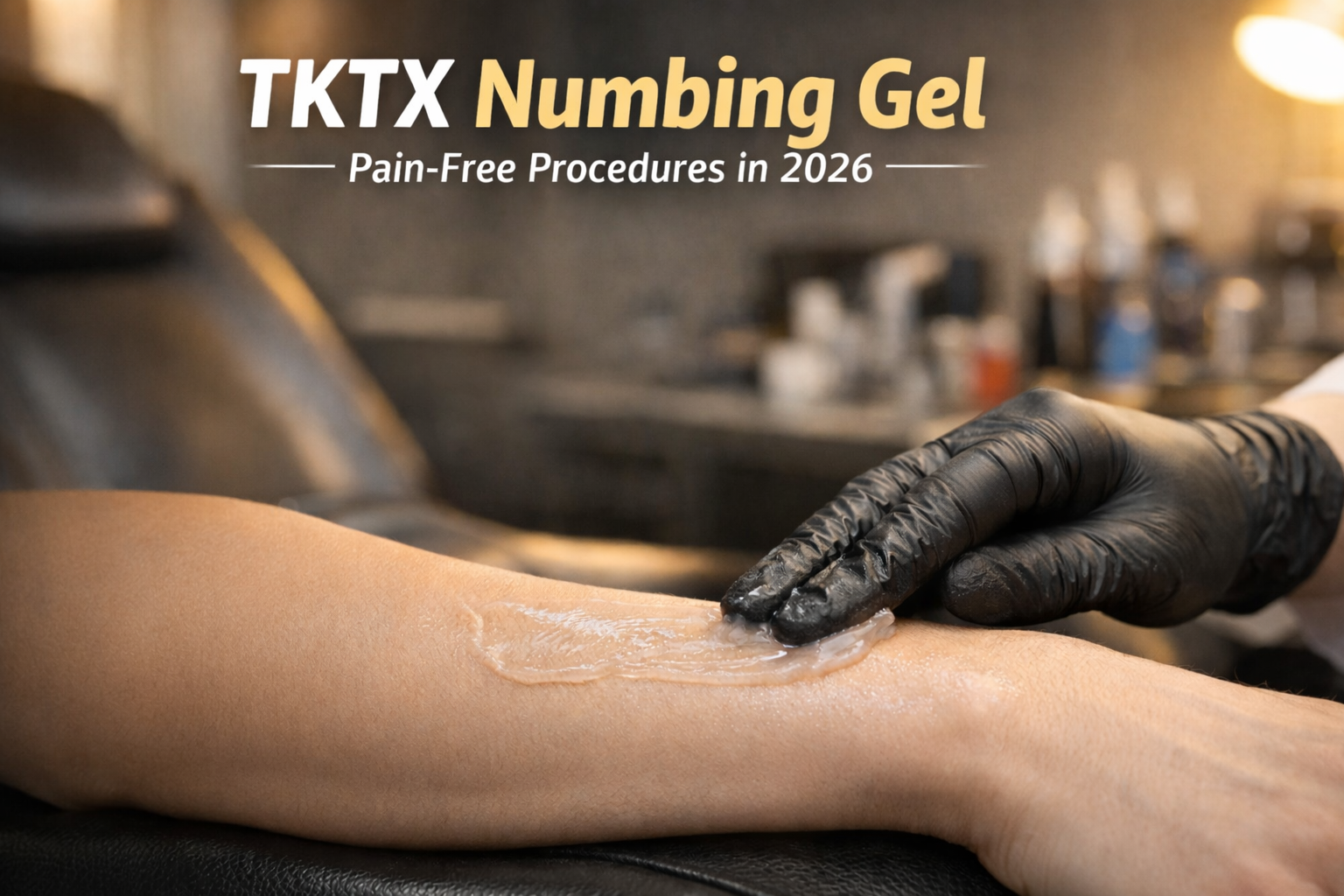
The decision to get a tattoo is a powerful one, a commitment to wearing a piece of art on your skin for life. But for many, the excitement of the design is tempered by a very primal concern: the pain. This article explains, in plain language and with practical tips, how tattoo numbing creams work. How TKTX formulations achieve their effect, how to apply them safely, and what to watch for.
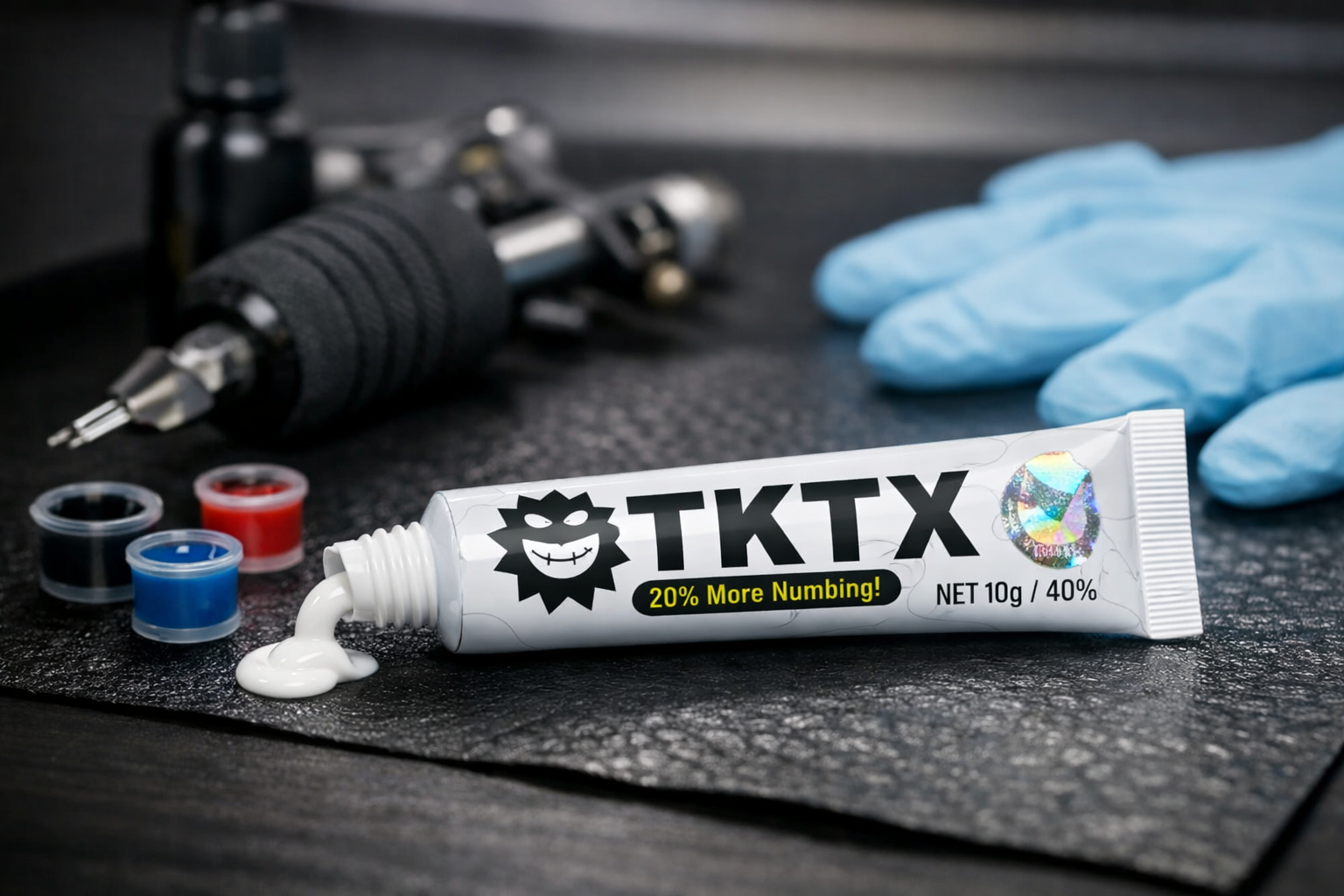
Many people choose topical numbing creams to reduce pain during tattooing, micropigmentation, laser or cosmetic procedures. TKTX Original is one of the best-known brands in the tattoo community. Several TKTX formulations combine multiple local anesthetics (and sometimes vasoconstrictors) to produce deeper, longer-lasting topical anesthesia than single-agent OTC creams.
This isn’t just magic in a jar; it’s a sophisticated application of pharmacology and dermatology. In this deep dive, we’ll demystify the process, focusing on the mechanics of TKTX Original. We’ll explore the active ingredients that block the pain, the crucial importance of correct application.
Topical numbing creams work by temporarily blocking the ability of sensory nerve endings in the skin to send pain signals to the spinal cord and brain. Chemically, most of these creams contain local anesthetic molecules that interfere with the function of voltage-gated sodium channels in peripheral nerve membranes. When those channels are blocked, nerves can’t depolarize in response to painful stimuli (like a tattoo needle), so the brain receives far fewer — or weaker — pain signals.
The Nervous System: Your Body’s Wiring and the Source of Tattoo Pain
To understand how a numbing cream works, you first need to understand what it’s blocking: the pain signal.
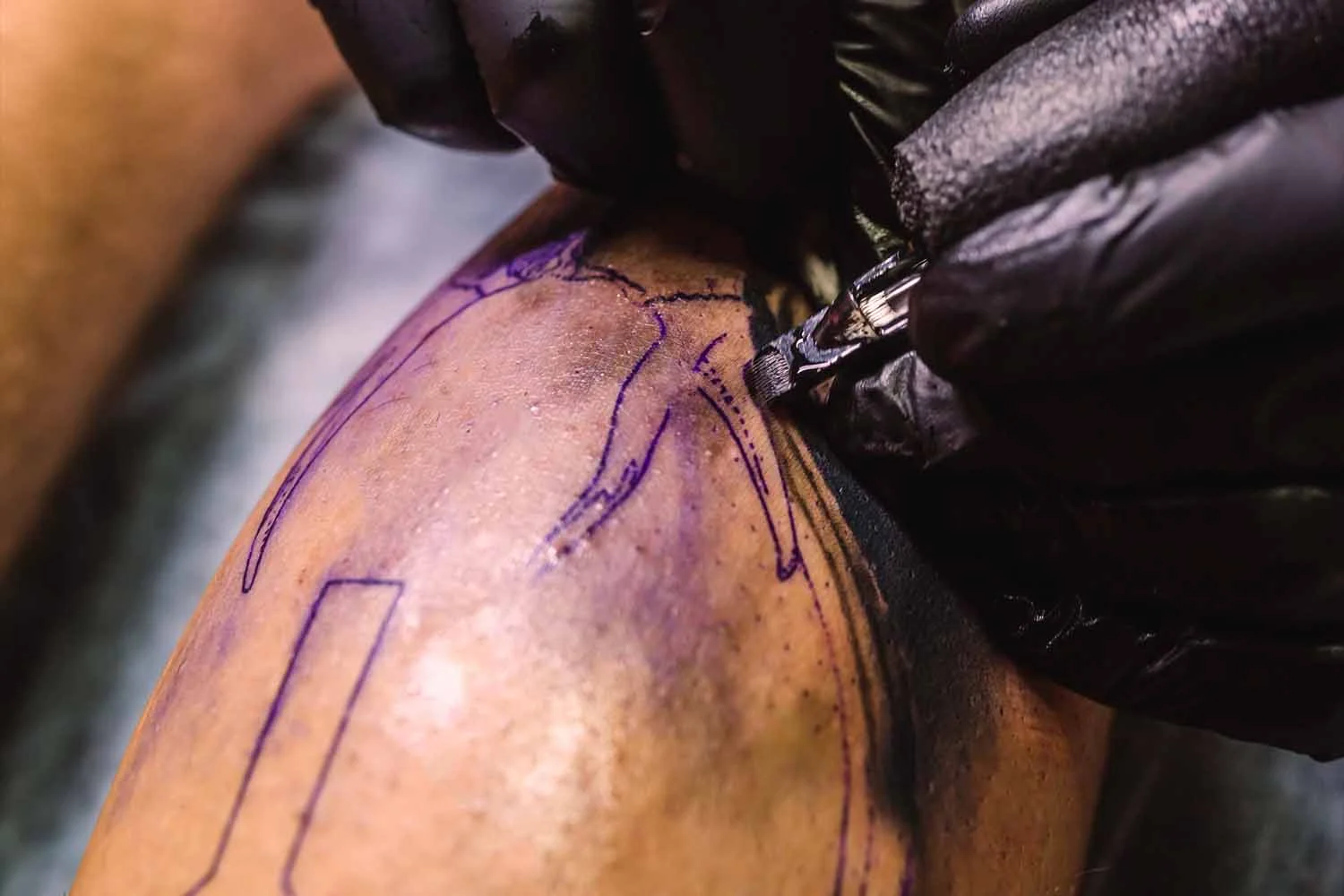
Your skin is packed with millions of nerve endings, which are essentially the sensors of your peripheral nervous system. When the tattoo needle penetrates your skin, it physically damages the tissue. This damage is detected by specific nerve endings called nociceptors—your body’s dedicated pain receptors.
Once stimulated, these nociceptors generate a tiny electrical impulse. This impulse travels along the nerve fibers, up your spinal cord, and finally to your brain. Your brain then processes this signal and interprets it as “pain.”
The pharmacology — How Tattoo Numbing Creams Work step by step
- Absorption through the skin (stratum corneum): Topical anesthetics must cross the outermost skin layer to reach the small nerve endings in the dermis where tattoos are painful. The formulations include skin-penetration enhancers, and you apply them thickly and often cover them (occlude them) to improve penetration. Many TKTX application guides recommend warming the skin, applying multiple layers and occluding the area to speed and deepen absorption.
- Blocking sodium channels: Once the anesthetic reaches the nerve fibers, it binds to voltage-gated sodium channels from the inside of the nerve membrane and stabilizes the channel in an inactive state. This prevents the initiation and propagation of action potentials (nerve impulses) that would normally carry pain sensations. Different anesthetic molecules vary in potency and how long they stay bound.
- Onset and duration: Onset depends on the agent(s), concentration, skin preparation, and occlusion time. For many TKTX-type mixtures, effective numbing can develop after 30–90 minutes of occlusion. The effect may last through a long tattooing session when properly applied. Some TKTX product pages and instructions recommend 1–2 hours under film for maximum effect.
- Vasoconstriction (optional): Some TKTX variants include epinephrine (adrenaline) as a vasoconstrictor. Narrowing superficial blood vessels keeps anesthetic in place longer and may reduce bleeding during a procedure, but it also raises regulatory and safety issues.
What’s in TKTX Original? Active ingredients explained
Because “TKTX” is a brand family, ingredients differ by SKU and by regional product. Common active ingredients mentioned across TKTX listings and third-party product pages include lidocaine, prilocaine, tetracaine, procaine, and in some formulations epinephrine. Concentrations vary by variant: product pages list mixes such as 5–7% lidocaine plus 5–7% prilocaine with 1–2% epinephrine, or formulations based on tetracaine/procaine/prilocaine. Always check the specific product label before use.
TKTX Original is a topical anesthetic, which means you apply it directly to the surface of the skin. Its efficacy comes from a powerful blend of active ingredients, each playing a specific role in blocking nerve signals. The most common formulation of TKTX Original contains a multi-pronged approach to numbing.
Key points about those actives:
- Lidocaine: Fast-acting, widely used; effective at blocking sodium channels and common in many topical preparations.
- Prilocaine: Often combined with lidocaine to increase depth and duration.
- Tetracaine: Highly potent ester anesthetic useful for deeper topical numbing but has different metabolic pathways and allergy profiles.
- Procaine: An older ester anesthetic occasionally included in compounded blends.
- Epinephrine: A vasoconstrictor sometimes added to prolong effect and reduce bleeding. But not present in every product and potentially problematic in some settings or body areas.
How to use TKTX safely — best practices
The efficacy of a topical anesthetic depends on proper application. Typical steps recommended by official TKTX guidance and many sellers:
- Clean the skin thoroughly with soap and water.
- Warm the skin with a hot towel for a few minutes to increase blood flow (then dry).
- Apply a thick layer (manufacturers commonly advise 2–3 mm thickness) and massage lightly to distribute.
- Re-apply or add a second layer (per brand instructions).
- Occlude the area with plastic wrap/cling film for the recommended time (often 1–2 hours for strongest effect). Occlusion dramatically increases penetration.
- Remove and wash the area before the tattooist works. Do NOT leave the cream on the skin while tattooing unless the product specifically instructs “during” use.
The Crucial Steps: How Tattoo Numbing Creams Work Effectively
Knowing the science is only half the battle. Proper application is what transforms the chemical potential into real-world pain relief. Misapplication is the number one reason people report that numbing creams “didn’t work for them.”
Step 1: Skin Preparation
The skin is your body’s primary barrier. Prepare this barrier so the numbing agents can penetrate deeply enough to reach the nerve endings.
- Clean the Area: Thoroughly wash the tattoo area with soap and water.
- Exfoliate (Gently): Some artists and experienced users recommend a very gentle exfoliation. With a warm, damp cloth to slightly open up the pores. Do not scrub aggressively.
Step 2: Generous Application and Occlusion
This is the most critical step.
- Apply a Thick Layer: Do not be shy. Apply a generous, even 1–2 mm layer of TKTX cream directly over the entire tattoo area. It should look like a thick coat of white paint.
- The Power of Occlusion: After application, you must cover the area with cling film (plastic wrap). This process is known as occlusion. It serves two vital functions:
- It Increases Absorption: The plastic wrap creates a warm, humid environment that hydrates the top layer of skin (the stratum corneum). This causes the skin cells to swell, opening up the pathways for the anesthetic molecules to penetrate deeper towards the nerve endings.
- It Prevents Evaporation: It stops the water and other volatile components in the cream from evaporating, keeping the active ingredients concentrated and in contact with the skin.
Step 3: Timing is Everything
- Follow the Instructions: TKTX Original typically requires 60-90 minutes of contact time under occlusion to achieve maximum effect. Leaving it on for less time will result in shallower, less effective numbing.
- The “Goldilocks” Zone: Do not leave it on for excessively longer periods (e.g., over 2 hours). This does not increase efficacy and can increase the risk of side effects.
Step 4: Removal and Start
- Wipe Clean: After the designated time, carefully remove the plastic wrap and wipe away all the cream. The skin may look slightly red or blanched (whitened)—this is normal.
- Let the Artist Work: The artist will then disinfect the area and begin the stencil and tattooing process. The numbing effect is now at its peak and can last for the first 1-2 hours of the tattoo session. Depending on the individual and the location on the body.
Safety and regulatory considerations
Topical anesthetics are medicines and come with risks:
- Systemic toxicity: Over-application or using high-concentration compounds over large areas can lead to systemic absorption and serious effects. Use prescription-strength or compounded creams under professional guidance.
- Allergic reactions: Ester anesthetics have a higher risk of allergic reaction in some people than amide anesthetics . If you have a known allergy to local anesthetics, consult a clinician first.
- Regulatory red flags: Regulatory bodies monitor topical anesthetic products. For example, the U.S. FDA issued warnings about some TKTX product labeling and ingredient claims in recent enforcement actions. A reminder that product formulations and permitted ingredients can vary and may attract regulatory scrutiny. Always buy from certified, legitimate distributors and check local regulations if in doubt.
Common myths
- Myth: “Numbing creams remove all pain.” Not true — they reduce pain but often don’t eliminate deeper sensations.
- Myth: “Bigger amounts = better numbing.” No — more cream increases absorption risk; follow manufacturer dosing and occlusion times.
- Myth: “If it burns a bit while applying, it’s working.” Some stinging can occur with certain agents or on damaged skin. Persistent burning, redness, or blistering is a sign to remove the cream and seek advice.
Choosing the right product and what to avoid
- Use reputable sellers: Buy from authorized TKTX distributors or official stores; counterfeit or mislabelled products are common.
- Know the active ingredients: Avoid products containing agents you’re allergic to. If you take medications that affect heart rhythm or blood pressure, consult a doctor before using creams with epinephrine.
- Avoid very large surface areas without medical supervision — toxicity risk scales with area and dose.
- Do not mix creams — combining two topical anesthetics can unpredictably increase absorption and risk.
Special situations: tattoos over broken skin & in-procedure use
Many numbing gels exist for during a procedure, while others are designed for pre-procedure use only. TKTX markets both occlusive creams for before the procedure and gels intended for use during or after. Applying pre-procedure creams over an area that already has open wounds or flaky/compromised skin. Increases systemic absorption and infection risk follow the product label and your artist’s instructions. To know How Tattoo Numbing Creams Work.
When to consult a clinician first to Know How Tattoo Numbing Creams Work
- If you have cardiovascular disease, epilepsy, liver disease, or take medications that interact with local anesthetics/epinephrine.
- If you’re pregnant or breastfeeding (many product pages explicitly caution against use in these groups).
- If you plan to cover a very large area or apply multiple creams.
Practical checklist for clients
- Read the product label and ingredient list.
- Patch-test at least 24 hours earlier if you’ve never used the product.
- Apply as directed (warm, apply thick layer, occlude for recommended time).
- Tell your artist you’ve applied a numbing cream.
- If you feel dizziness, ringing in ears, metallic taste, tremors, or severe headache after application. Remove the cream and seek medical attention.
Frequently Ask Question
How strong is TKTX numbing cream?
TKTX numbing cream is designed to deliver powerful, professional-level pain relief for tattoos, piercings and cosmetic treatments. Its high-strength formula uses a blend of active anaesthetics to penetrate deep into the skin and significantly dull nerve signals in the treated area. When applied correctly under cling film, most users experience an intense numbing effect that can make procedures feel far more manageable or almost painless. Different colours in the TKTX range are formulated for varying sensitivity levels and treatment lengths, so you can choose a strength that matches your session. Always follow the official TKTXOriginalUK application guidelines, including patch testing and recommended exposure times, to get maximum numbing performance while staying within safe-use limits.
How long will TKTX numbing cream last?
TKTX numbing cream is formulated to provide long-lasting pain relief, making it ideal for tattoo and aesthetic sessions that run over several hours. Once fully activated under cling film and wiped off before your procedure, the numb sensation typically continues well into the appointment, helping reduce discomfort during lining, shading and colour work. Many clients report remaining comfortably numb for the majority of a standard session when the cream has been applied in a thick, even layer and left on for the recommended time. Factors such as your skin type, body area and appointment length can influence how long the effect lasts. For extended sittings, always follow TKTXOriginalUK’s usage directions and never exceed the advised amount or frequency of application.
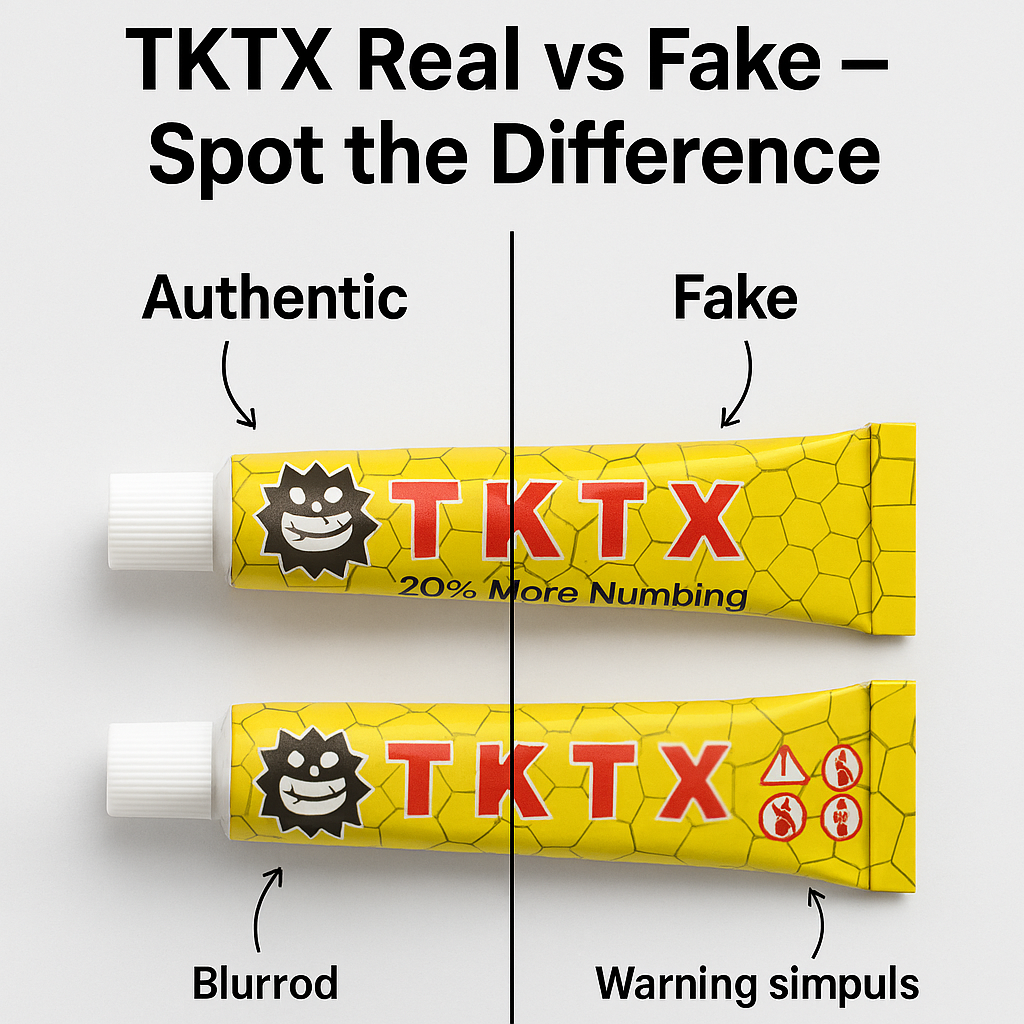
How to tell if TKTX is real or fake?
To tell if your TKTX cream is genuine, start by checking that you bought it from an authorised supplier such as TKTXOriginalUK, which specialises in authentic stock only. Real TKTX packaging is high quality, clearly printed and includes consistent branding, correct spelling and clear product information rather than blurry labels or random wording. Tubes should arrive sealed, undamaged and with details that match the listing on the official website, including the colour, strength and usage instructions. Be cautious of unusually low prices, unfamiliar marketplaces and sellers who cannot provide proof of authenticity or clear contact details. When in doubt, compare your product visually with the images and descriptions on TKTXOriginalUK and contact their support team before using the cream on your skin.
What is TKTX numbing cream used for?
TKTX numbing cream is used to reduce pain and discomfort during professional tattoo sessions, cosmetic treatments and other skin procedures. Many clients apply it before large or detailed tattoos, especially on sensitive areas such as ribs, inner arms, feet and spine, to help them sit longer and stay more relaxed. It is also popular for piercings, laser hair removal, semi-permanent makeup, microneedling and similar services where topical numbing can make the experience more comfortable. The cream is applied in a thick layer to clean, intact skin, then covered with cling film so the active ingredients can fully absorb before the procedure. Always follow TKTXOriginalUK’s guidance, including patch testing, maximum contact times and contraindications, to use the product safely and effectively.
What is the best color of TKTX?
There is no single “best” colour of TKTX, because each colour in the range is designed for different skin sensitivity levels, treatment types and appointment lengths. Some colours focus on fast-acting surface numbness, making them ideal for quicker procedures or smaller tattoos, while others are formulated for deeper and longer-lasting numbness that suits extended sittings. Customers often choose stronger, deep-numbing options for large body pieces, back work or laser sessions where pain can build over time. Lighter-strength or faster-acting creams may be preferred for brows, lips or small designs where precision and shorter durations matter. TKTXOriginalUK provides clear descriptions for each colour on its website, so the best choice is the one that matches your procedure, pain tolerance and artist’s advice.
How long does TKTX take to kick in?
TKTX numbing cream does not work instantly; it needs time under cling film to fully activate and reach maximum strength. After applying a thick layer to clean, dry skin, most users are advised to leave the area covered for a set period before their appointment, allowing the active ingredients to penetrate deeply. During this time the skin gradually becomes more desensitised, starting with a light tingling or cooling sensation that develops into stronger numbness. Planning ahead is essential, so many artists recommend applying the cream at home or in the studio waiting area well before needle contact begins. Always follow the timing guidance provided by TKTXOriginalUK for your chosen cream colour and never rush the process, as under-developing can significantly reduce the numbing effect.
How many tubes of TKTX do I need?
The number of TKTX tubes you need depends mainly on the size of the area being treated and how thickly you apply the cream. For small tattoos, piercings or cosmetic procedures, one 10g tube is often enough to create a generous, even layer over the full treatment zone. Larger pieces such as half sleeves, back work or multiple areas may require two or more tubes to maintain the recommended thickness without stretching the product too thin. It is generally better to have a little extra on hand than to run out mid-application, as consistent coverage is key for effective numbing. Use the example images and guidance on TKTXOriginalUK to estimate coverage, and ask your artist or their support team if you are unsure how many tubes to order.
Why do tattoo artists say not to use numbing cream?
Some tattoo artists are cautious about numbing creams because poor-quality or counterfeit products can affect the skin, ink healing and overall tattoo outcome. When creams are misused, applied too thickly or left on too long, they may cause swelling, skin changes or unpredictable reactions that make it harder for the artist to work cleanly and precisely. A few artists have also encountered clients using fake or unregulated numbing creams, which can cause irritation or simply fail to work, creating frustration during the session. However, many professionals are comfortable with reputable, authentic products such as those supplied by TKTXOriginalUK, provided they are used correctly. Open communication is essential, so always tell your artist which cream you plan to use and follow both their instructions and the official product guidelines.
Can you feel a needle with numbing cream?
With TKTX numbing cream used correctly, most people find that needle sensation is significantly reduced and often feel only pressure or vibration rather than sharp pain. The cream works by temporarily blocking nerve signals in the treated area, which can turn intense stinging into a dull, more tolerable feeling during tattooing or cosmetic procedures. However, everyone’s pain threshold and skin type differ, so a small amount of discomfort or sensitivity can still be present, especially in very delicate zones or during long sessions. As the appointment progresses and the cream naturally begins to wear off, you may notice sensation gradually returning. For best results, always apply TKTX as directed by TKTXOriginalUK and discuss your expectations with your artist so they can pace the session appropriately around the numbing window.
How Tattoo Numbing Creams Work?
Tattoo numbing creams are topical anesthetics that temporarily reduce pain by desensitizing the nerves in the skin.
So, how do tattoo numbing creams work? They carefully combine pharmaceutical agents to deliver effective results. Like Lidocaine, Prilocaine, and Tetracaine that temporarily block the sodium channels in your nerve cells. This action prevents the generation and transmission of pain signals from your skin to your brain.
TKTX Original leverages this science through a potent, synergistic formula and relies on the critical technique. Occlusive application to drive the numbing agents deep into the skin. When used correctly and responsibly, it is an incredibly effective tool. That can transform a daunting, painful ordeal into a manageable, and even relaxing, experience.
It empowers individuals to sit for longer sessions, allowing artists to create more detailed and extensive work, ultimately elevating the art of tattooing itself. By understanding How Tattoo Numbing Creams Work the science and respecting the application process, you can confidently use TKTX Original to take control of your tattoo journey, focusing on the art, not the ache.